This piece was written in the summer of 2025 and published in the January 2026 issue of the North of the Charles Revue, a print-only magazine based in Cambridge, Massachusetts.
I am on Nantucket at the gracious invitation of a friend. It was dark when we arrived. That signature fog had settled in over the houses that lined the island and the harbor water was mostly black and dappled with a fluorescent white. The sloop masts stood stark against the sky as if they were light poles emerging from the water. The yachts were more visible in the dark, their lights and white bodies were stacked upon one another, looking a little like a city hovering over the water.
We stepped off the ferry and into the downtown harbor area where a bustle of activity jammed the streets. It is still peak tourist season. The tourists were loud collectively and speaking at an acceptable volume individually. I got a sense that Nantucket was distinct from the Caribbean islands in this way. Whatever vendors there were had been confined to their shops. They did not cry out for your money or eagerly obstruct your path. There were no beggars of any kind at the knees of these tourists. I wondered where they had gone. Were they savagely swept off the butcher’s block like dregs, or was this paradise true?
The bustle of the downtown was, on the whole, subdued.There were clear signs of nightlife—music and drinking—but they were, again, kept to acceptable levels. A vitality seemed to be lacking. I wondered if the locals were around this scene very much.
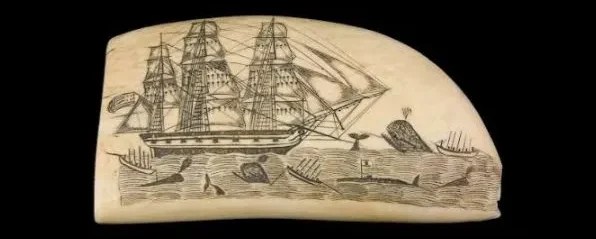
Nantucket is a whaling town. Or, it was. History has given it such a distinction and much of that legacy is preserved in some form. But whaling is a dead industry and it is one without even a large carcass, ripe for picking. It is nothing but bones. Bones that adorn a mantel but nothing more. This is a fair fate for such a cruel industry. And yet I lament this fact. There are no whalers among the drinkers here, I thought; these are not the many Alexanders that Melville wrote of. It was a stupid and sentimental thought, but true.
I wondered how the stories of these tourists differed from the whalers. Their stories are probably no less exaggerated, no less about their exploits. Except their type of work still exists and thrives, although it is perhaps just as cruel.


Leave a Reply